Bookkeeping, Payroll & Tax Strategy for Los Angeles Equipment Rental Companies
Expert accounting built for equipment rental companies managing large depreciating fleets, utilization tracking, and construction-driven seasonal demand. We help you understand true equipment ROI, track damage and loss deposits, and keep your fleet investment decisions data-driven.
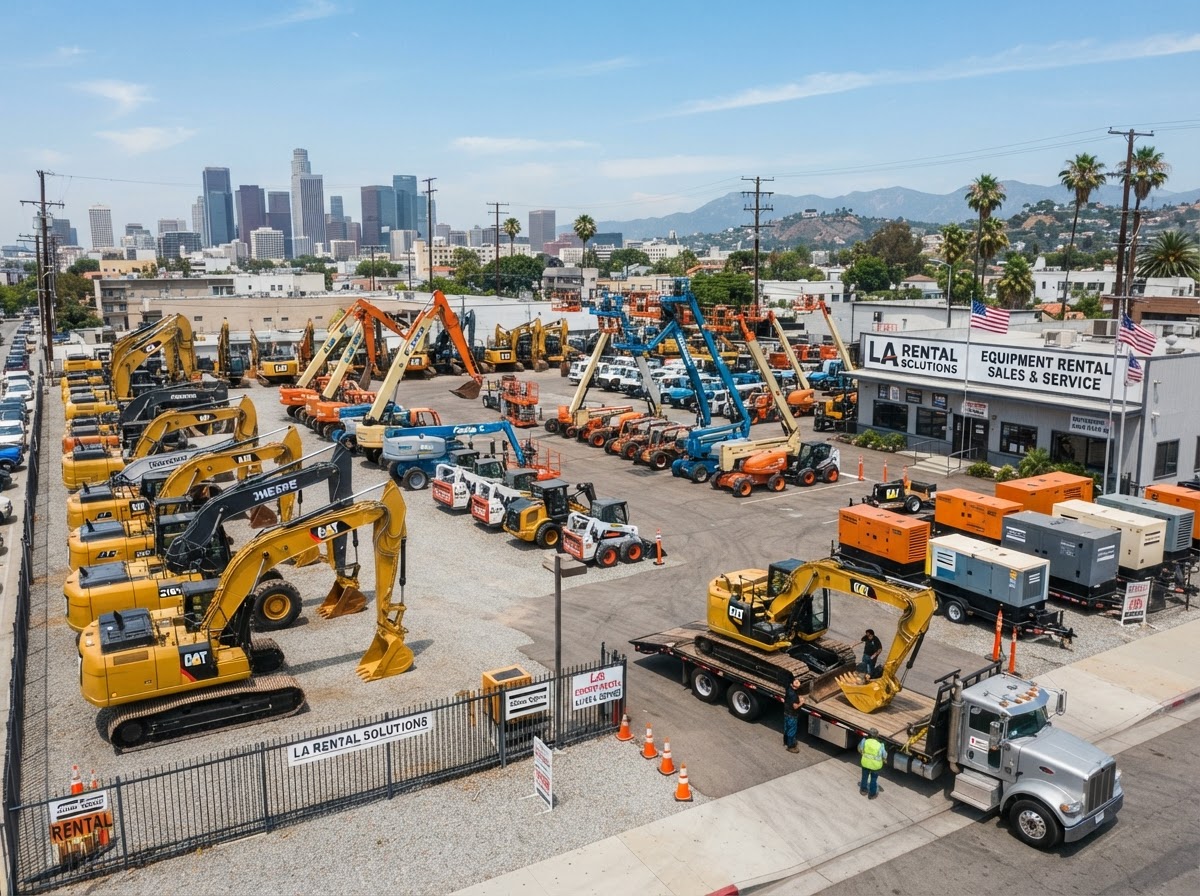
The Financial Challenges in Equipment Rental Companies
We understand the unique hurdles your industry faces. Here's what might be holding you back.
Fleet-Wide Depreciation Complexity
A large fleet of equipment, each depreciating on its own schedule, is difficult to track accurately without a dedicated system.
Utilization Rate Blind Spots
Without utilization tracking, it is nearly impossible to know which equipment is actually earning its keep and which is sitting idle.
Construction-Driven Seasonal Demand
Rental demand rises and falls with the construction cycle, making cash flow planning difficult without a seasonal forecast.
How a Rental Moves Through Your Books
One clear path from signed estimate to profit you can see.
Equipment set up
We record each asset with its cost, so depreciation and utilization are tracked.
Rental agreement
Each rental is recorded with its rate, term and deposit.
Billing
Invoices go out on schedule and late or damage fees are tracked.
Maintenance
Repairs and upkeep are matched to the asset that needed them.
Profit by asset
You see what each piece of equipment earns, and we plan taxes around it.
Our Tailored
Solutions
We don't just crunch numbers. We provide strategic financial oversight designed specifically for equipment rental companies.
Book a Free 1-on-1 CallFleet Depreciation Management
We track depreciation schedules across your entire fleet so your financials accurately reflect true asset value and tax position.
Equipment Utilization Tracking
We track rental days and revenue per piece of equipment so you know exactly which assets are earning their keep.
Damage and Loss Deposit Accounting
We properly account for damage deposits and loss claims so they are not commingled with regular rental revenue.
Seasonal Demand Forecasting
We build a cash flow forecast tied to the construction cycle so slower periods are planned for in advance.
Why Busy Rental Companies Still Feel Short on Cash
On a typical job, the money goes out well before it comes back in.
We track this per job so you can see the gap coming, bill on milestones, and set cash aside for payroll and taxes before it hurts.
Illustration only. Your timing will differ.
How to Run a Successful Equipment Rental Business
Seven money habits we see separate steady rental companies from stressed ones.
Track every asset
Know what each piece cost, what it earns and what it takes to keep running.
Watch utilization
Equipment sitting idle is money tied up, and the books should show it.
Collect deposits and bill on schedule
Recurring and prepaid invoices keep cash steady.
Record damage and late fees
Charge and track them so they do not disappear into general expenses.
Keep business and personal money separate
One business account and card per company makes your books accurate and your taxes simpler.
Plan equipment replacement
Set money aside so replacing a worn unit does not strain cash.
Set cash aside for payroll and taxes
Move money into a separate account as you earn it so payroll and tax bills are never a surprise.
A Chart of Accounts Built for Equipment Rental Companies
Costs sorted the way a business like yours thinks, so profit shows up on its own.
Income
- Rental income
- Delivery and pickup fees
- Damage and late fees
- Equipment sales
Job costs
- Maintenance and repairs
- Parts and supplies
- Delivery labor
- Fuel
- Cleaning and prep
Overhead
- Equipment loan interest
- Depreciation
- Insurance
- Licenses
- Software
- Advertising
- Office and professional fees
A sample structure. We tailor it to how your company bills and reports.
Equipment Rental Compliance Checklist
The paperwork that protects you in an audit, an insurance claim or a dispute.
- Each asset is recorded with its cost, purchase date and serial number.
- Insurance coverage on equipment and operations is in force.
- Signed rental agreements are on file for every rental.
- Sales and use tax treatment of rentals is reviewed so it is handled correctly.
- Security deposits are tracked separately from rental income.
- Payroll taxes are deposited and quarterly returns are filed on time.
- Business licenses and permits required for your location are current.
- Business and personal money are kept separate, with a receipt for every cost.
A general checklist, not legal advice. Confirm license, insurance and legal rules with the right agency or your attorney.
Top Tax Deductions for Equipment Rental Companies
- Equipment depreciation under Section 179 and bonus depreciation
- Fleet maintenance and repair costs
- Liability and equipment insurance premiums
- Storage and yard facility costs
Don't leave money on the table. Let us review your tax strategy.
Book a 1-on-1 Tax ReviewEquipment Rental Bookkeeping and Tax FAQs
Related reading
Reach the people in charge
Book a free 1-on-1 call or send us a note — we review your numbers together, no ticket system, no junior staff.