Bookkeeping, Payroll & Tax Strategy for Los Angeles HVAC Companies
Expert accounting and tax strategies built specifically for heating and air conditioning contractors. We help you separate service call profitability from installation jobs, track parts across your fleet, and smooth out cash flow between your peak and shoulder seasons.
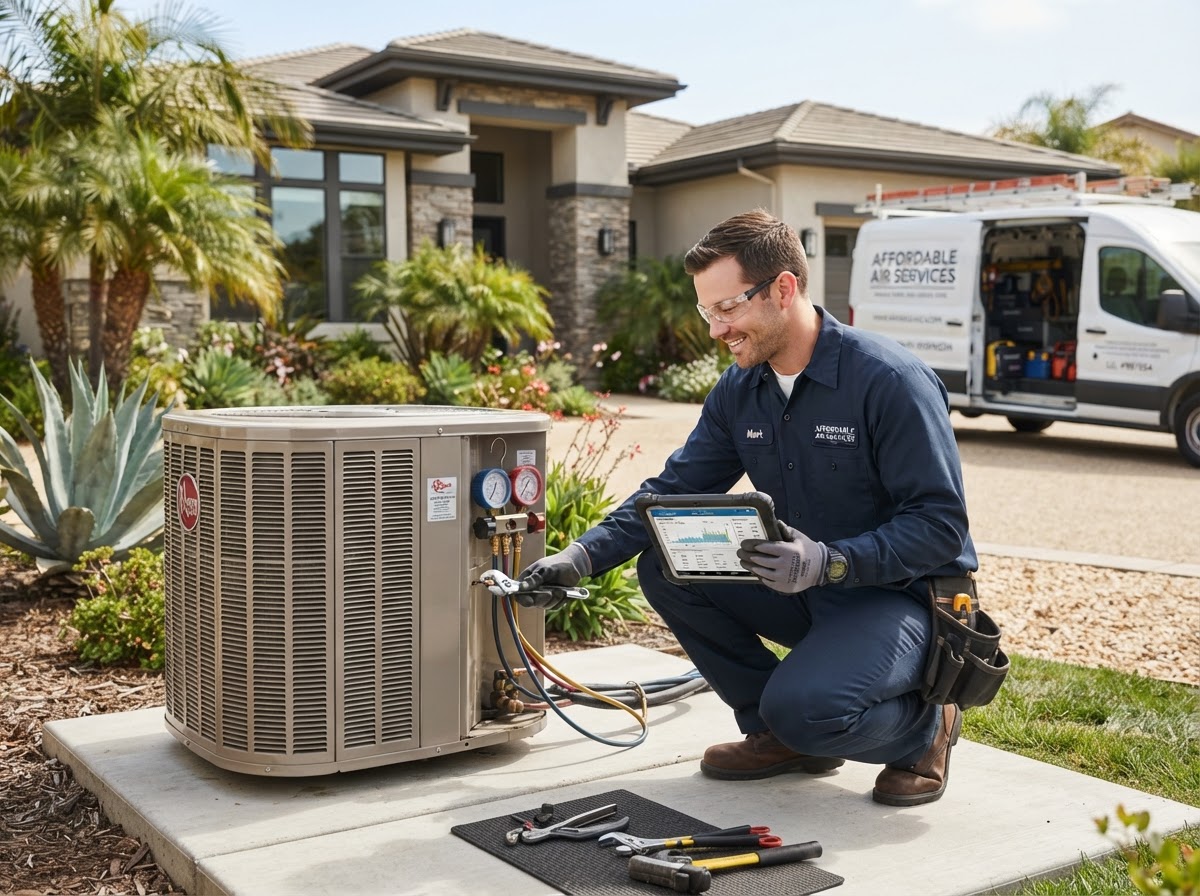
The Financial Challenges in HVAC Companies
We understand the unique hurdles your industry faces. Here's what might be holding you back.
Seasonal Revenue Swings
Air conditioning installs peak in summer, heating peaks in winter, and the shoulder months in between can leave cash flow stretched thin.
Blended Service and Install Numbers
Service call revenue and installation revenue often get lumped into one number, hiding which side of the business is actually profitable.
Truck-Based Parts Tracking
Parts and inventory spread across a mobile fleet of trucks are hard to reconcile, leading to shrinkage nobody can explain.
How an HVAC Job Moves Through Your Books
One clear path from signed estimate to profit you can see.
Quote and agreement
We set up the job or service agreement in QuickBooks before the crew rolls.
Equipment and parts
Units, parts and refrigerant are tagged to the job when you buy them.
Labor and trucks
Technician time and truck costs are matched to each call or install.
Invoicing
Install invoices follow milestones and service calls are billed the same day.
Profit review
You see margin by job type, install or service, and we plan taxes around it.
Our Tailored
Solutions
We don't just crunch numbers. We provide strategic financial oversight designed specifically for hvac companies.
Book a Free 1-on-1 CallJob Costing by Technician and Truck
Track profitability by crew and by truck, not just company-wide, so you know exactly which technicians and job types drive your margin.
Maintenance Agreement Revenue Tracking
Properly recognize recurring service contract revenue over the life of the agreement instead of letting it distort a single month's numbers.
Parts and Inventory Reconciliation
Tie truck stock back to billed jobs so shrinkage gets caught early instead of disappearing into unexplained cost of goods sold.
Seasonal Cash Flow Forecasting
Build a reserve during your peak season so payroll and expenses stay covered through the slower shoulder months.
Why Busy HVAC Companies Still Feel Short on Cash
On a typical job, the money goes out well before it comes back in.
We track this per job so you can see the gap coming, bill on milestones, and set cash aside for payroll and taxes before it hurts.
Illustration only. Your timing will differ.
How to Run a Successful HVAC Company
Seven money habits we see separate steady HVAC companies from stressed ones.
Price from real costs
Build quotes from your actual equipment, labor, truck and overhead costs, not from last season's numbers.
Bill installs on milestones
Take a deposit and collect as the install progresses so equipment never sits on your credit card.
Separate install from service
Track the two lines separately so you know which one actually makes the money.
Track equipment and parts
Tag every unit and part to a job so nothing is lost between the supplier and the invoice.
Keep business and personal money separate
One business account and card per company makes your books accurate and your taxes simpler.
Sell service agreements
Recurring maintenance contracts smooth out the slow months, so record and bill them on schedule.
Set cash aside for payroll and taxes
Move money into a separate account as you earn it so payroll and tax bills are never a surprise.
A Chart of Accounts Built for HVAC Companies
Costs sorted the way a business like yours thinks, so profit shows up on its own.
Income
- Installations
- Service and repair calls
- Maintenance agreements
Job costs
- Equipment
- Parts and refrigerant
- Technician labor and payroll taxes
- Subcontractors
- Permits
- Warranty work
Overhead
- Vehicles and fuel
- Insurance and workers' comp
- Licenses and bonds
- Tools and diagnostic equipment
- Software
- Advertising
- Office and professional fees
A sample structure. We tailor it to how your company bills and reports.
HVAC Compliance Checklist
The paperwork that protects you in an audit, an insurance claim or a dispute.
- Your California contractor license and bond are active, with renewal dates on the calendar.
- Technician certifications, including refrigerant handling, are current and on file.
- Workers' comp coverage is in force for your employees and payroll is reported under the right classification.
- A certificate of insurance is on file for every subcontractor and renewed when it expires.
- 1099-NEC forms go to eligible subcontractors by January 31.
- Payroll taxes are deposited and quarterly returns are filed on time.
- Each job file holds the signed agreement, permits and change orders.
- Business and personal money are kept separate, with a receipt for every cost.
A general checklist, not legal advice. Confirm license, insurance and legal rules with the right agency or your attorney.
Top Tax Deductions for HVAC Companies
- Service vehicle mileage and fleet depreciation
- Tools, gauges, and equipment depreciation under Section 179
- Refrigerant handling and EPA compliance costs
- Liability and workers' compensation insurance premiums
Don't leave money on the table. Let us review your tax strategy.
Book a 1-on-1 Tax ReviewHVAC Bookkeeping and Tax FAQs
Reach the people in charge
Book a free 1-on-1 call or send us a note — we review your numbers together, no ticket system, no junior staff.