The Statement of Cash Flows Is the Report That Saves Businesses
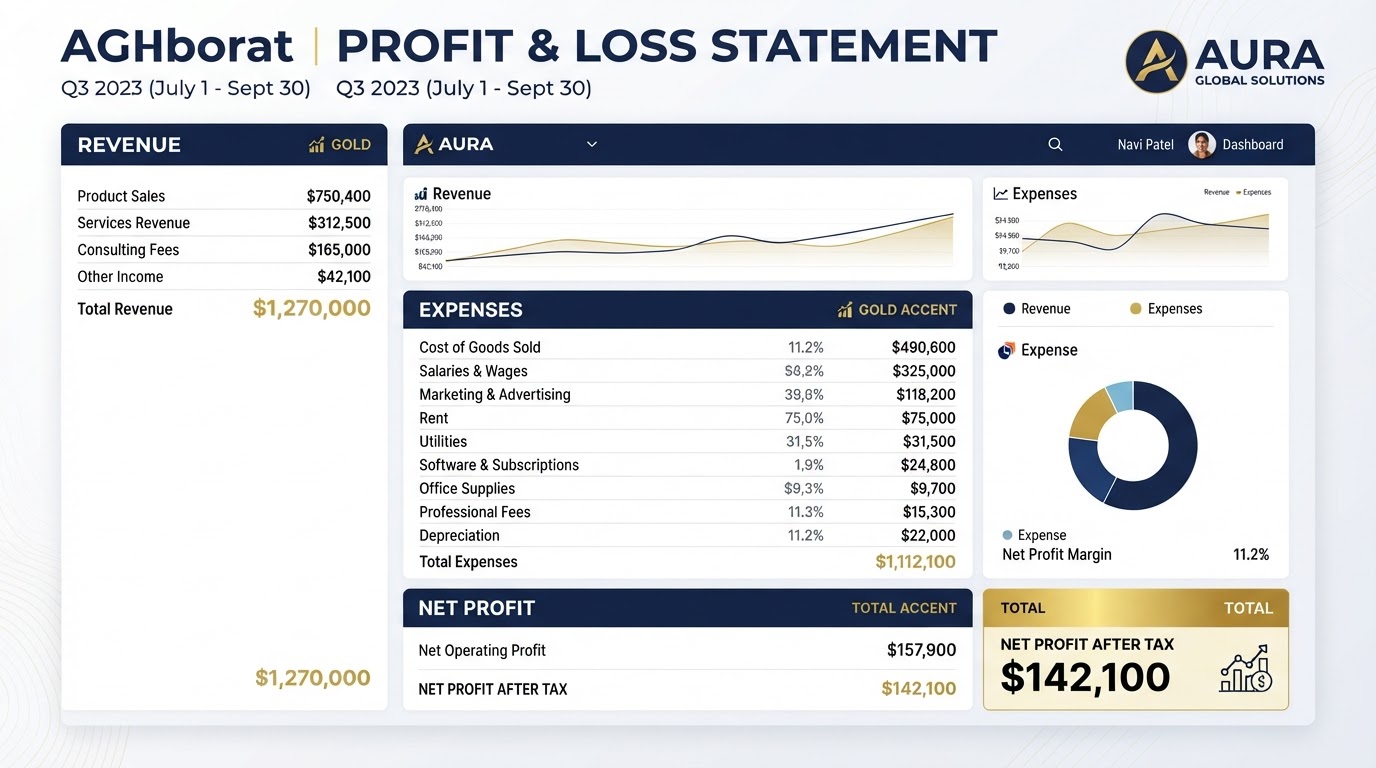
There is a financial statement that most business owners never look at, and it is the one that would save them from the most common cause of business failure. It is called the Statement of Cash Flows. While the Profit and Loss statement tells you whether you made money, and the Balance Sheet tells you what you own and what you owe, the Statement of Cash Flows tells you the one thing every business owner actually feels every single day: where did the cash go.
A business can be profitable on paper and still go broke. In fact, it happens all the time. A client pays late, a large tax payment hits, an equipment purchase drains the reserves, and suddenly there is no money to make payroll. The Profit and Loss statement shows a healthy profit, but the bank account is empty. The Statement of Cash Flows is the report that explains exactly how that happened, and more importantly, how to see it coming before it arrives. This guide walks you through every section of the statement in plain English so you can read it with confidence and use it to protect your business.
What a Statement of Cash Flows Actually Is
A Statement of Cash Flows is a summary of every dollar that entered and left your business during a specific period. Unlike the Profit and Loss statement, which is built on the accrual concept of matching revenue to the period it was earned, the cash flow statement only cares about one thing: did actual cash move. If a customer promised to pay you ten thousand dollars next month, the Profit and Loss statement might show that as revenue today, but the cash flow statement shows zero, because no cash has moved yet.
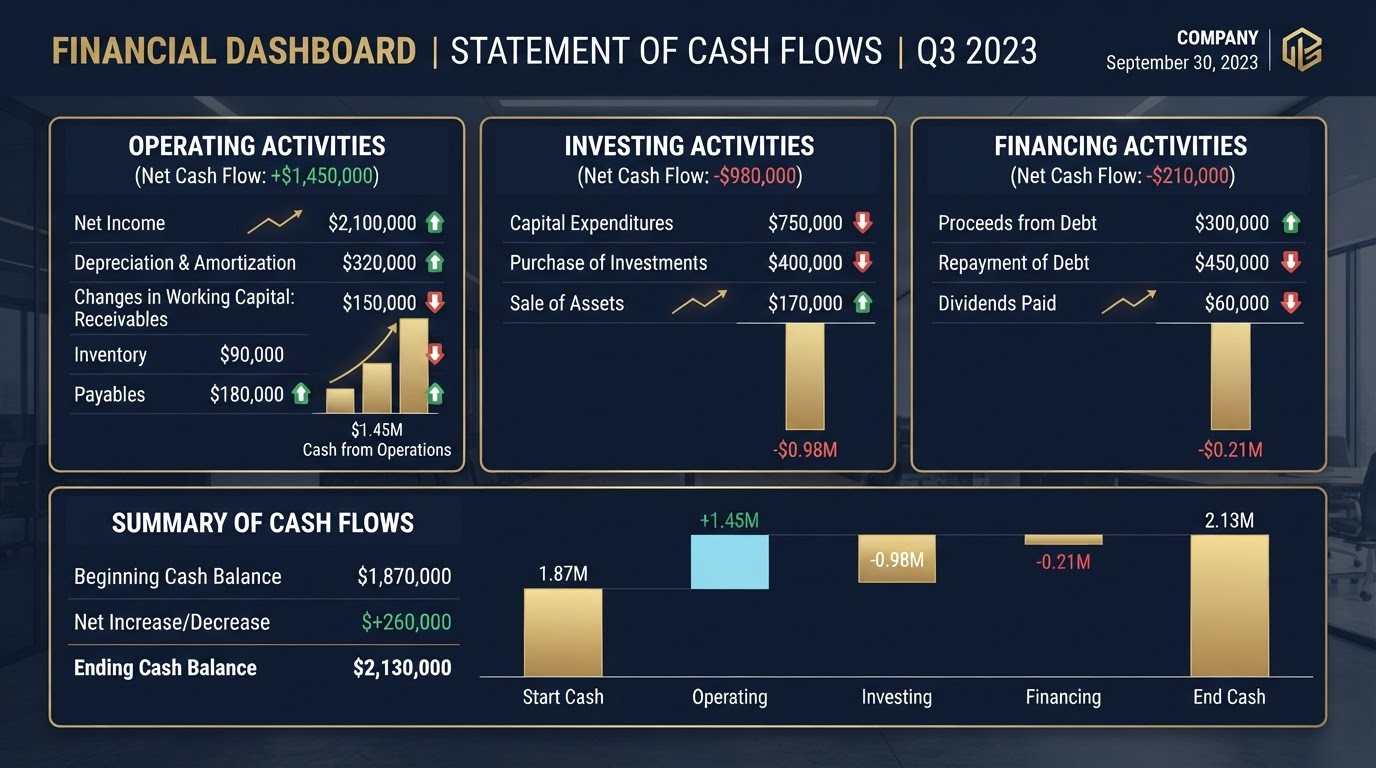
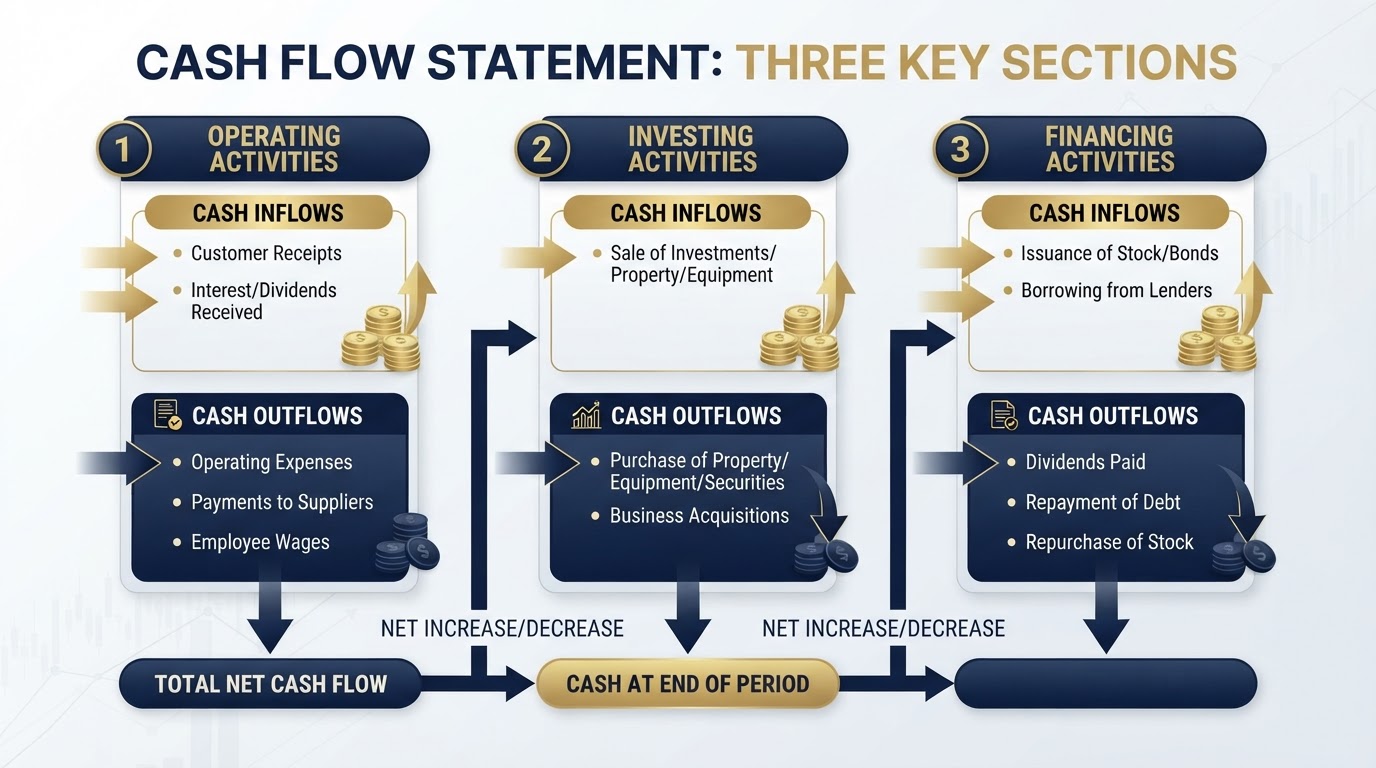
The statement is organized into three sections, and understanding these three buckets is the entire key to reading the report. The first section is Cash from Operating Activities, which covers the cash generated by your core business operations. The second section is Cash from Investing Activities, which covers the purchase and sale of long term assets like equipment, property, and other businesses. The third section is Cash from Financing Activities, which covers borrowing money, repaying loans, issuing equity, and paying dividends or owner distributions.
Each section tells a different part of the story. Operating cash flow tells you whether the business itself generates cash. Investing cash flow tells you whether the business is buying assets to grow or selling them to survive. Financing cash flow tells you whether the business is relying on outside money or returning money to its owners. When you read all three together, you get a complete picture of where the cash came from and where it went, and that picture is more honest than any other report your accounting software produces.
Why Profit and Cash Are Not the Same Thing
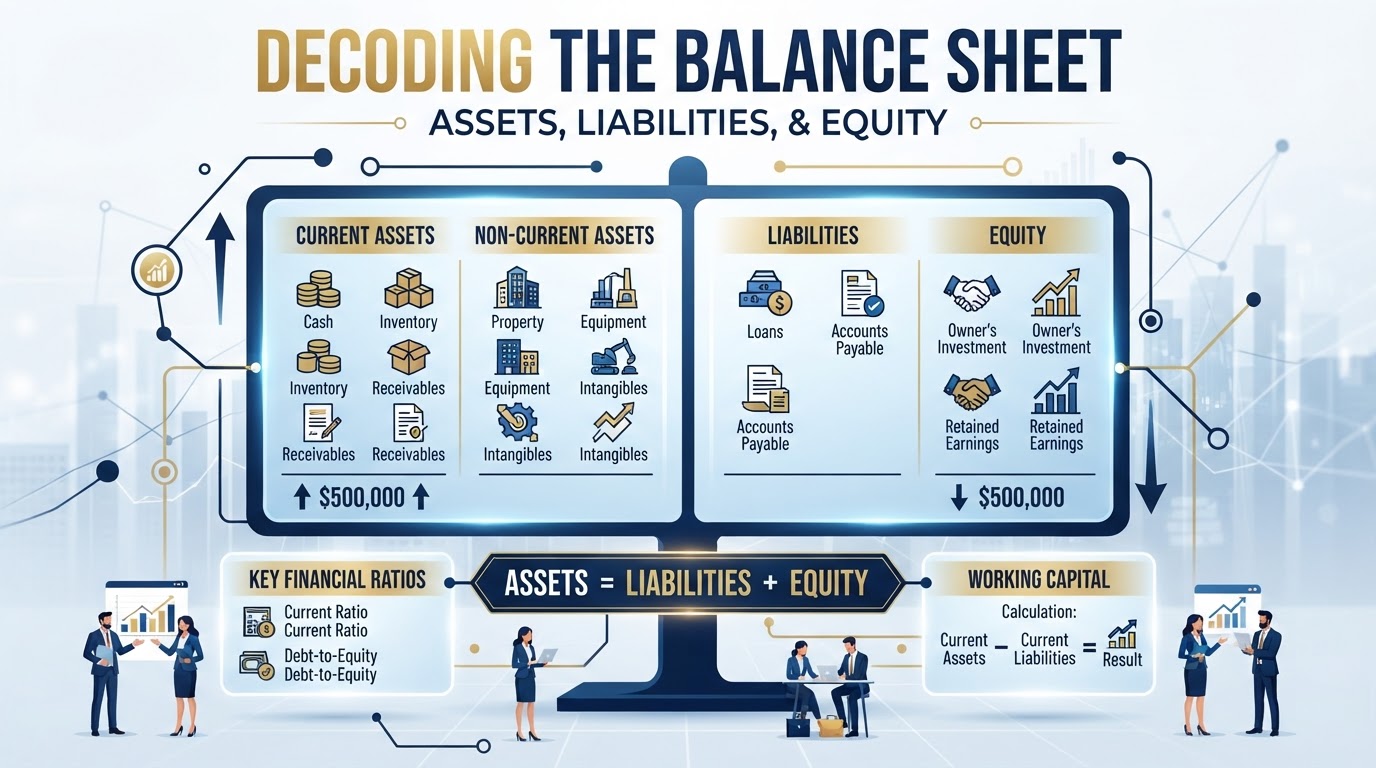
The single most important concept to understand before reading a cash flow statement is that profit and cash are not the same number. Profit is an accounting concept. It says that during a given period, the revenue your business earned was greater than the expenses it incurred. But revenue is not the same as cash received, and expenses are not the same as cash paid. The gap between those two ideas is where businesses get into trouble.
Imagine you run a consulting firm. You send a client an invoice for twenty thousand dollars in December. Under accrual accounting, you record that as revenue in December, and your Profit and Loss statement shows a healthy profit. But the client does not pay until February. In December, your bank account did not go up by twenty thousand dollars. It stayed exactly where it was. Your Profit and Loss statement says you had a great month. Your bank account says nothing changed. The cash flow statement is the bridge between those two realities.
The same gap exists on the expense side. If you buy a fifty thousand dollar piece of equipment, the Profit and Loss statement does not show a fifty thousand dollar expense. It shows depreciation, which might be ten thousand dollars a year for five years. But your bank account dropped by fifty thousand dollars the day you bought it. The cash flow statement captures that full fifty thousand dollar outflow in the investing section, so you can see the real impact on your cash position, not the smoothed out accounting version.

Cash from Operating Activities: The Heart of the Business
The operating activities section is the most important part of the statement. It tells you whether your core business, the day to day operations of selling your product or service, actually generates cash. If this number is positive and growing, your business is fundamentally healthy. If this number is negative, your business is consuming cash just to operate, and that situation cannot continue forever without outside funding.
There are two ways this section can be presented. The direct method lists every category of cash received and cash paid. Cash from customers, cash paid to suppliers, cash paid to employees, cash paid for interest and taxes. It is intuitive and easy to read, but it is rarely used because it requires tracking cash separately from the accrual records. The indirect method, which is far more common, starts with net income from the Profit and Loss statement and then adjusts it for all the non cash items and changes in working capital that separate profit from cash.
The indirect method can look intimidating at first because it is full of adjustments that seem to go in both directions. But the logic is simple. You start with profit, and then you fix it for two things: non cash expenses and changes in working capital. Non cash expenses are things like depreciation and amortization, which reduced profit on the P&L but did not actually cost any cash. You add them back. Changes in working capital are the increases and decreases in accounts receivable, accounts payable, inventory, and other short term accounts. If accounts receivable went up, customers owe you more money, which means you earned revenue that has not turned into cash yet. You subtract that increase. If accounts payable went up, you owe suppliers more, which means you kept cash in your business instead of paying it out. You add that increase.
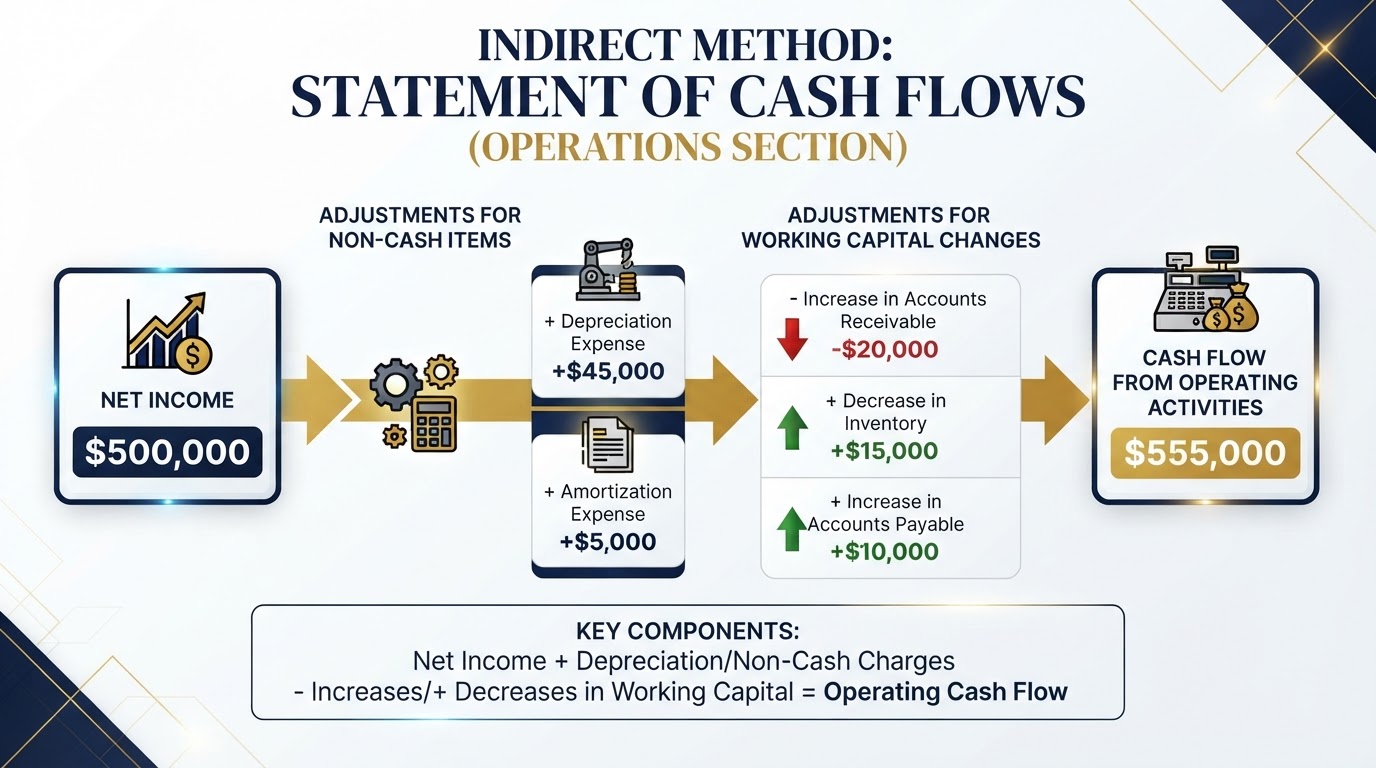
When you read the operating section, the number you are looking for is the bottom line, which is called net cash provided by operating activities. That number is the real cash profit of your business. It is the amount of cash your operations actually generated during the period, after all the timing differences are stripped away. If your net income on the P&L is one hundred thousand dollars but your operating cash flow is only twenty thousand dollars, something is trapping your profit before it reaches your bank account, and you need to find out what it is.
Cash from Investing Activities: Buying the Future
The investing activities section covers the purchase and sale of long term assets. When you buy a truck, a piece of manufacturing equipment, a building, or another business, the cash you spent shows up here as a negative number. When you sell one of those assets, the cash you received shows up as a positive number. This section is almost always negative for a growing business, because growth requires investment.
A negative number in the investing section is not automatically a bad sign. If you bought a new piece of equipment that lets you take on more clients, that cash outflow is an investment in future revenue. The question is whether the operating section is generating enough cash to fund that investment. If your operating cash flow is two hundred thousand dollars and your investing outflow is one hundred thousand dollars, you are funding your own growth from operations, which is the healthiest position a business can be in. If your operating cash flow is fifty thousand dollars and your investing outflow is two hundred thousand dollars, you are funding growth with borrowed money or owner contributions, and that is a riskier position.
The investing section is also where you spot businesses that are selling assets to survive. If a company is selling equipment, property, or investments year after year, and the proceeds are being used to cover operating losses, that is a business in decline. A healthy business invests. A dying business divests. The pattern of the investing section over several years tells you which one you are looking at.
Cash from Financing Activities: Outside Money and Owner Returns
The financing activities section covers every transaction related to outside capital and owner returns. When you take out a loan, the proceeds show up here as a positive number. When you make a payment on that loan, the principal portion shows up as a negative number. When an owner contributes capital to the business, it shows up here as a positive. When the business pays a dividend or an owner distribution, it shows up as a negative. When new equity is issued to an investor, the cash received shows up here.
The financing section tells you whether the business is feeding its owners or feeding off them. A mature, healthy business will show consistent negative numbers in the financing section, because it is paying down debt and distributing profits to owners. A young or struggling business will show positive numbers, because it is borrowing money or taking owner contributions to stay afloat. Neither pattern is inherently wrong, but the pattern needs to match the stage of the business. A ten year old company that is still borrowing to cover operations is in a very different situation than a two year old company doing the same thing.
One important detail that confuses many owners is that loan payments are split between the interest and the principal. The interest portion of a loan payment is an operating activity, because interest is an operating expense on the Profit and Loss statement. Only the principal portion of the payment appears in the financing section. This is why your total loan payment might be five thousand dollars a month, but the financing section only shows a three thousand dollar outflow. The other two thousand dollars is interest, and it is captured in the operating section.
The Net Change in Cash: Where the Three Sections Meet
At the bottom of the statement, all three sections are added together to produce the net change in cash for the period. If operating activities generated one hundred thousand dollars, investing activities consumed sixty thousand dollars, and financing activities consumed twenty thousand dollars, the net change in cash is positive twenty thousand dollars. That number is then added to the beginning cash balance to arrive at the ending cash balance, which should match the cash balance on your Balance Sheet.
That final tie out is one of the most powerful features of the cash flow statement. If the ending cash on the statement does not match the cash on the Balance Sheet, something is wrong with the books. The cash flow statement is a built in error check for the entire accounting system. It forces every non cash transaction to be reconciled, and it exposes any gap between what the books say and what the bank actually holds. This is why a clean cash flow statement is one of the strongest signals that your bookkeeping is accurate and trustworthy.

Common Mistakes That Make the Cash Flow Statement Useless
The cash flow statement is only as good as the bookkeeping behind it, and there are several common mistakes that render it meaningless. The first and most damaging is miscategorizing loan payments. If the entire loan payment is recorded as an operating expense, the operating section shows less cash than it should, and the financing section does not show the principal repayment. The statement still ties out, but the story it tells is wrong. The business looks weaker in operations than it actually is.
The second mistake is recording owner distributions and contributions in the wrong place. If an owner takes money out of the business and it gets coded as an expense instead of a distribution, the operating section shows a cash drain that is not really an operating cost. The business looks like it is struggling to generate cash from operations, when in reality the owner simply took profits. The same problem happens in reverse when owner contributions are recorded as revenue, inflating the operating section with money that did not come from customers.
The third mistake is failing to separate the investing and financing sections at all. Many small business bookkeeping files lump everything that is not an operating expense into a single category, which destroys the ability to see whether the business is investing in assets or borrowing to survive. Without that separation, the most diagnostic feature of the statement is lost, and the report becomes a single number that tells you nothing about the structure of your cash movement.
The fourth mistake is ignoring the statement entirely. Many owners only look at the Profit and Loss statement, because it is the one that shows whether they are making money. But a business can be profitable and run out of cash, and when it does, the owner is always surprised. The cash flow statement is the report that prevents that surprise. Ignoring it is like driving a car with a fuel gauge that works but a speedometer that does not. You know you have gas, but you have no idea how fast you are burning it.
How to Read a Statement of Cash Flows in Five Minutes
When you sit down to read your cash flow statement, start with the three bottom lines of each section, not the individual line items. Look at the net cash from operating activities, the net cash from investing activities, and the net cash from financing activities. These three numbers tell you the shape of your cash story before you look at any of the details.
A healthy, growing business typically shows a positive operating number, a negative investing number, and a number in financing that could be either positive or negative depending on whether it is paying down debt or borrowing to accelerate growth. The key relationship is that operating cash flow should be positive and large enough to cover at least the investing outflow. When operations fund investment, the business is self sustaining.
A business in distress shows a different pattern. Operating cash flow is negative or barely positive, investing is flat or positive because the business is selling assets, and financing is positive because the business is borrowing or taking owner contributions to stay alive. If you see this pattern, the business is consuming cash from outside sources to cover its operating losses, and that pattern has a limited shelf life.
Once you have read the three bottom lines, look at the changes in working capital in the operating section. If accounts receivable jumped significantly, your customers are paying slower, and that is trapping cash. If inventory jumped, you are tying up cash in stock that has not sold yet. If accounts payable jumped, you are holding onto cash by paying suppliers slower, which is a temporary boost that eventually catches up. These working capital changes are the levers that move cash independently of profit, and they are the first place to look when cash is tight.

A FIG Engagement: Finding the Cash That Profit Hid
A residential remodeling company in Los Angeles came to us with a question that haunts many owners. Their Profit and Loss statement showed a net income of two hundred and forty thousand dollars on revenue of one point eight million, but their bank account had less than fifteen thousand dollars in it at the end of the year. The owner could not understand how a business that profitable could feel so cash poor, and they were nervous about making payroll through the slow winter months.
We started by building a proper Statement of Cash Flows, which their previous bookkeeper had never produced. The operating section told the first part of the story. Net income was two hundred and forty thousand dollars, but accounts receivable had grown by one hundred and ten thousand dollars over the year. The owner had been billing large projects on completion but collecting on thirty and sixty day terms, so a significant portion of the profit was sitting in unpaid invoices rather than in the bank. We also found that depreciation of sixty thousand dollars was added back, which is normal, but the real issue was the receivables growth.
The investing section told the second part. The company had purchased two new work trucks and a trailer during the year for a total of ninety thousand dollars in cash. The Profit and Loss statement only showed the depreciation expense, which was a fraction of that, so the P&L looked fine. But the cash flow statement showed the full ninety thousand dollar outflow, and that money had come straight out of the bank account.
The financing section told the third part. The owner had taken distributions of one hundred thousand dollars during the year, based on the healthy profit the P&L showed. But because the profit had not yet converted to cash, those distributions were funded partly from the receivables that had not been collected and partly from the cash that should have been reserved for the equipment purchases. The owner was essentially spending cash they did not yet have.
When we added it all together, the picture was clear. Operating cash flow was only ninety thousand dollars, not two hundred and forty thousand. Investing consumed ninety thousand dollars. Financing consumed one hundred thousand dollars in distributions. The net change in cash was negative one hundred thousand dollars, which explained why a profitable business was bleeding cash. The profit was real, but it was trapped in receivables and spent on equipment and distributions before it ever materialized as cash.
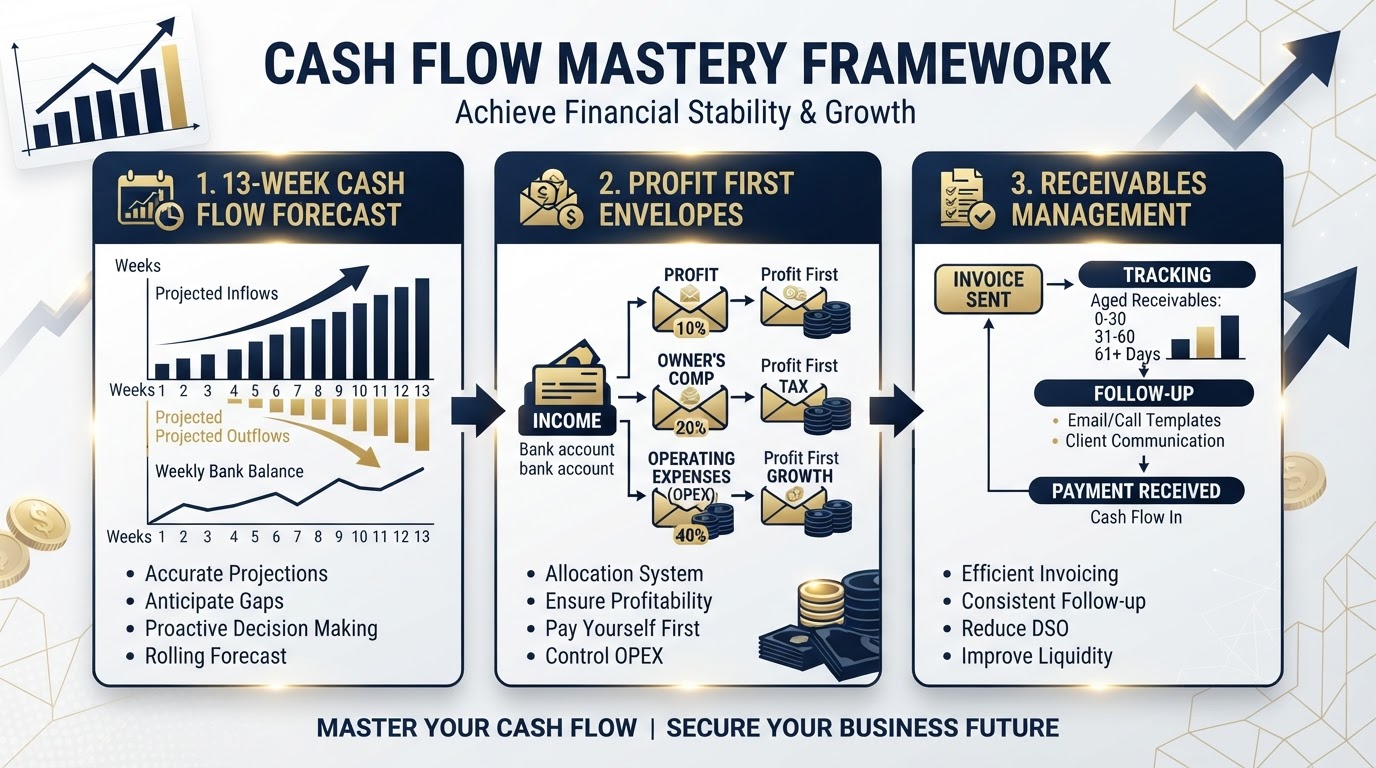
We helped the owner implement a thirteen week cash flow forecast so they could see the timing gap between billing and collection before it became a crisis. We restructured their invoicing to bill milestones instead of completion, which accelerated collections by an average of three weeks per project. We set up a separate capital reserve account so equipment purchases were funded from accumulated cash rather than operating cash flow. And we tied owner distributions to actual operating cash flow rather than accrual profit, so the owner only took money out that had actually arrived in the bank. Within six months, the business had a cash buffer of sixty thousand dollars, and the owner finally felt the relief that the P&L had been promising but never delivering.

How Fiscal Integrity Group Helps You Master Your Cash
Reading a Statement of Cash Flows is a skill, but producing one that is accurate is a discipline. Most small business bookkeeping files do not generate a clean cash flow statement, because the underlying categorization is not set up to separate operating, investing, and financing activities correctly. Loan payments are not split. Owner transactions are miscoded. Equipment purchases are buried in operating expenses. The result is a statement that either does not tie out or tells a story that has nothing to do with reality.
At Fiscal Integrity Group, we build every client's books so that the cash flow statement is accurate, clean, and useful from day one. We split loan payments correctly, code owner contributions and distributions to the right accounts, separate capital asset purchases from operating expenses, and reconcile every account so the ending cash on the statement matches the bank. Then we teach you how to read it, so you can see the cash story behind the profit story and make decisions based on what is actually in your bank account, not just what looks good on a report.
If your Profit and Loss statement says you are profitable but your bank account says otherwise, the answer is in your cash flow statement. We will build it, read it with you, and show you exactly where your cash is going and how to get more of it to stay. Book a free books review and we will tell you where your cash story stands today.
Quick Tax Savings Estimator
See how much you could potentially save with proactive tax strategy and clean bookkeeping. Most LA businesses overpay by 15-20% simply due to missed deductions.
Free IRS Audit Risk Assessment
Do you mix personal and business expenses in the same bank account?
Frequently Asked Questions
How far back can you catch errors?
I perform a deep forensic review of your history to catch errors and fix them. Whether it's one year or five, my goal is to ensure your historical data is pristine before we move forward.
Will you educate me on how to manage my books?
Yes! My approach is highly educational. I want you to understand the "why" behind the numbers so you can make better business decisions with confidence.

About the Author
Wiyao Awesso
Wiyao Awesso is a leading financial advisor in Los Angeles. With extensive experience in tax strategy, accounting, and fractional CFO services, he helps business owners optimize their finances, minimize tax liabilities, and scale with confidence.