The 2026 World Cup will transform Los Angeles into a global hub, bringing an unprecedented influx of tourists and soccer fans. For restaurants and bars, this represents a golden opportunity for record-breaking sales. However, without meticulous inventory planning, those potential profits can easily be eaten away by waste, stockouts, and inflated costs.
Managing a restaurant or bar during a massive event like the World Cup is fundamentally different from standard operations. The sheer volume of customers requires a strategic approach to inventory that balances the need to meet demand with the risk of over-purchasing perishable goods.
In this deep dive, we will explore advanced inventory planning techniques specifically tailored for the hospitality industry during the World Cup. We will cover Cost of Goods Sold (COGS) tracking, waste management, vendor negotiations, and the tax implications of inventory losses to ensure your establishment maximizes its profit margins during this historic event.
Cost of Goods Sold (COGS) Tracking During High-Demand Periods
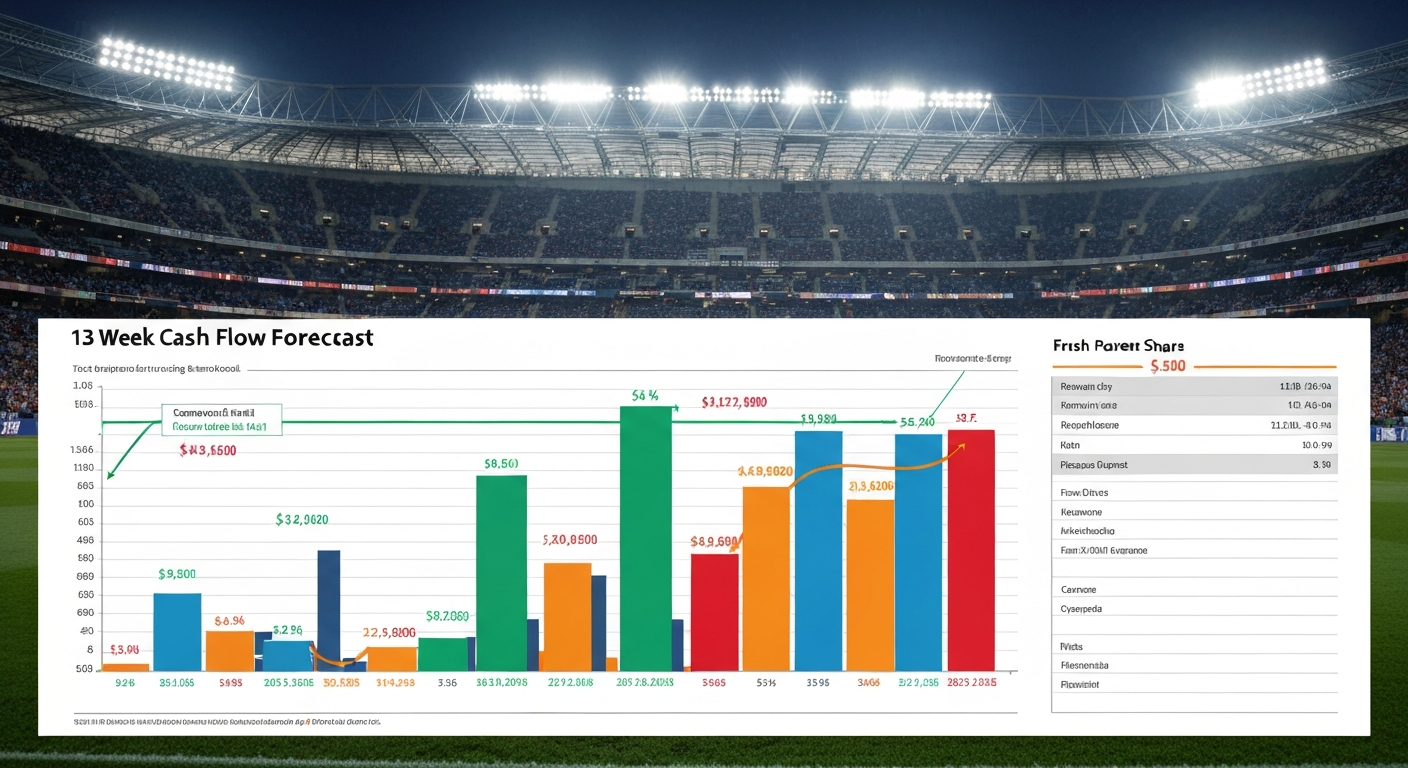
Cost of Goods Sold (COGS) is the most critical metric for any restaurant or bar. During a high-demand period like the World Cup, tracking COGS becomes both more challenging and more essential. A slight increase in your COGS percentage, when multiplied across a massive volume of sales, can result in a significant loss of profit.
To maintain control over your COGS, you must implement rigorous, real-time tracking systems. Weekly or monthly inventory counts are insufficient during an event of this magnitude; you may need to conduct daily spot checks on high-volume items to identify variances immediately.
Utilize your Point of Sale (POS) system and inventory management software to track theoretical vs. actual usage. If your theoretical usage is significantly lower than your actual usage, you have a problem with portion control, theft, or undocumented waste that must be addressed immediately.
Waste Management and Spoilage
Food waste is the silent killer of restaurant profitability, and the risk of spoilage increases exponentially when you are holding larger-than-normal inventory levels.
Implement strict First-In, First-Out (FIFO) rotation policies and ensure all staff are trained on proper storage procedures. Cross-utilize ingredients across multiple menu items to ensure that perishable goods are consumed before they spoil.
It is also crucial to document all waste meticulously. From a tax perspective, documented spoilage and waste are deductible expenses that reduce your taxable income. However, the IRS requires proper documentation to substantiate these deductions.
Vendor Negotiations and Bulk Purchasing
The World Cup provides a unique opportunity to leverage your anticipated volume for better pricing and terms from your suppliers.
Begin negotiations well in advance. Ask for volume discounts, extended payment terms, or guaranteed pricing to protect against sudden cost spikes. Consider consolidating your purchasing with a smaller number of key suppliers to maximize your purchasing power.
When purchasing in bulk, be mindful of your storage capacity. Do not buy more than you can safely store, as the cost of off-site storage or the loss due to improper storage can quickly negate any volume discounts you received.
Tax Deductions for Inventory Losses
Despite your best efforts, some inventory loss is inevitable. Inventory losses are generally deductible as part of your Cost of Goods Sold. When you conduct your physical inventory count at the end of the year, the value of the lost or spoiled inventory is effectively removed from your ending inventory, which increases your COGS and decreases your taxable net income.
If you experience a significant, identifiable loss—such as a massive power outage—you may be able to claim a casualty loss deduction. This requires specific documentation, including proof of the event and the value of the lost inventory.
Conclusion: Maximizing Profit Margins
For Los Angeles restaurants and bars, the 2026 World Cup is a marathon, not a sprint. Success requires meticulous planning, rigorous inventory control, and a deep understanding of your Cost of Goods Sold.
Partner with Fiscal Integrity Group to optimize your hospitality accounting and ensure your business is fully prepared for the World Cup surge.
Disclaimer: This article is for informational purposes only and does not constitute legal or tax advice. Always consult with a licensed CPA or tax professional regarding your specific situation.
Quick Tax Savings Estimator
See how much you could potentially save with proactive tax strategy and clean bookkeeping. Most LA businesses overpay by 15-20% simply due to missed deductions.
Free IRS Audit Risk Assessment
Do you mix personal and business expenses in the same bank account?
"Wiyao completely untangled two years of messy bookkeeping and saved me $18k in taxes. His forensic approach is incredible."

James T.
Contractor, Los Angeles
Frequently Asked Questions
How far back can you catch errors?
I perform a deep forensic review of your history to catch errors and fix them. Whether it's one year or five, my goal is to ensure your historical data is pristine before we move forward.
Will you educate me on how to manage my books?
Yes! My approach is highly educational. I want you to understand the "why" behind the numbers so you can make better business decisions with confidence.

About the Author
Wiyao Awesso
Wiyao Awesso is a leading financial advisor in Los Angeles. With extensive experience in tax strategy, accounting, and fractional CFO services, he helps business owners optimize their finances, minimize tax liabilities, and scale with confidence.